


Areola reduction surgery: planning the extent of reduction and recovery after suturing together
Atelier Plastic Surgery Clinic
After the target diameter is set, we review the incision, suturing and follow-up together.
Areola reduction surgery adjusts the diameter by excising and suturing the outer skin of an enlarged areola. At Atelier Plastic Surgery, after checking breast width and volume and nipple position, the excision range and suture-line tension are planned together. Rather than comparing only how small it can be made, you first need to distinguish whether it is a standalone surgery or will be done with a lift or augmentation.
Request an areola reduction consultation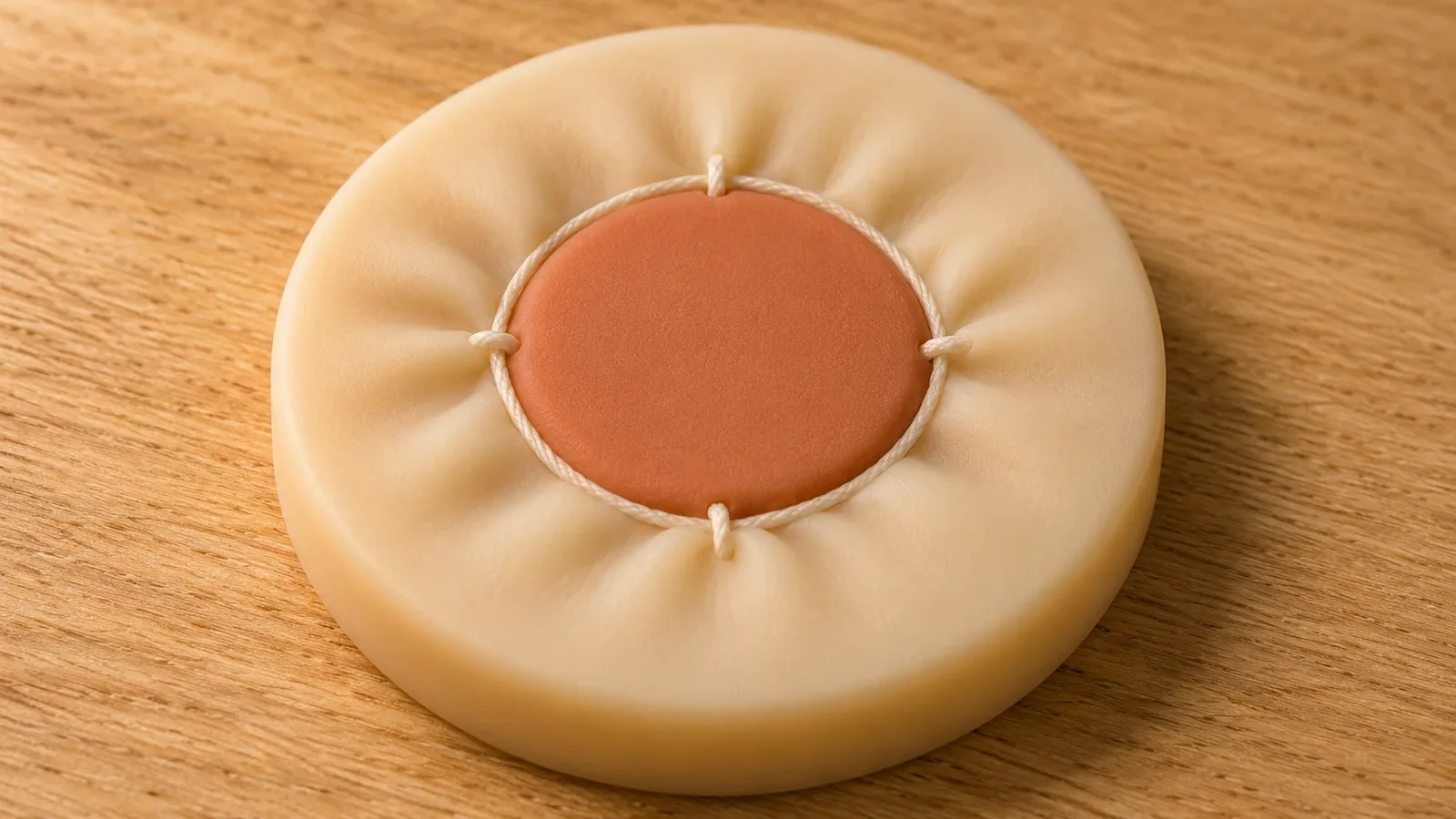
Standalone and combined surgery have different planning criteria
The range needed differs between when only the areola is enlarged and when breast sagging or lack of volume is also present. Standalone areola reduction focuses on diameter and shape, but if a lift or augmentation is done together, the goal is set based on the final breast shape and nipple position.
If the breast also has a tuberous breast shape, with a protruding areola or narrow lower tissue, we first assess whether an approach that only reduces the diameter is enough. Asymmetry or shape changes from previous surgery must also be planned after checking past incisions and tissue condition.
| Current concern | What we check together |
|---|---|
| Only the areola diameter looks wide | Breast width and proportion, extent of skin to remove |
| Sagging and an enlarged areola are both present | Nipple position, lift range, possibility of additional incisions |
| Considering augmentation together | Diameter matched to the changed volume and skin tension |
| Protrusion, asymmetry or a history of previous surgery | Tissue structure, past incisions, remaining problems |
As the excision width increases, we look at suture tension
Areola reduction consultation guide's basic approach is to excise the skin outside the target diameter in a circle, then gather the surrounding skin inward and suture it. The incision line is planned along the border between the areola and the skin.
The wider the excision, the more pull may be placed on the suture line. This force and skin elasticity are related to later changes such as the scar widening or the areola spreading again, so we do not set an overly small diameter from the start.
If needed, we consider adding a purse-string suture around the circumference to share the tension. The type of thread and suturing method should be chosen after hearing an explanation that fits your own tissue and the surgical range. It should not be understood that any one specific method can prevent all re-widening or scar problems.
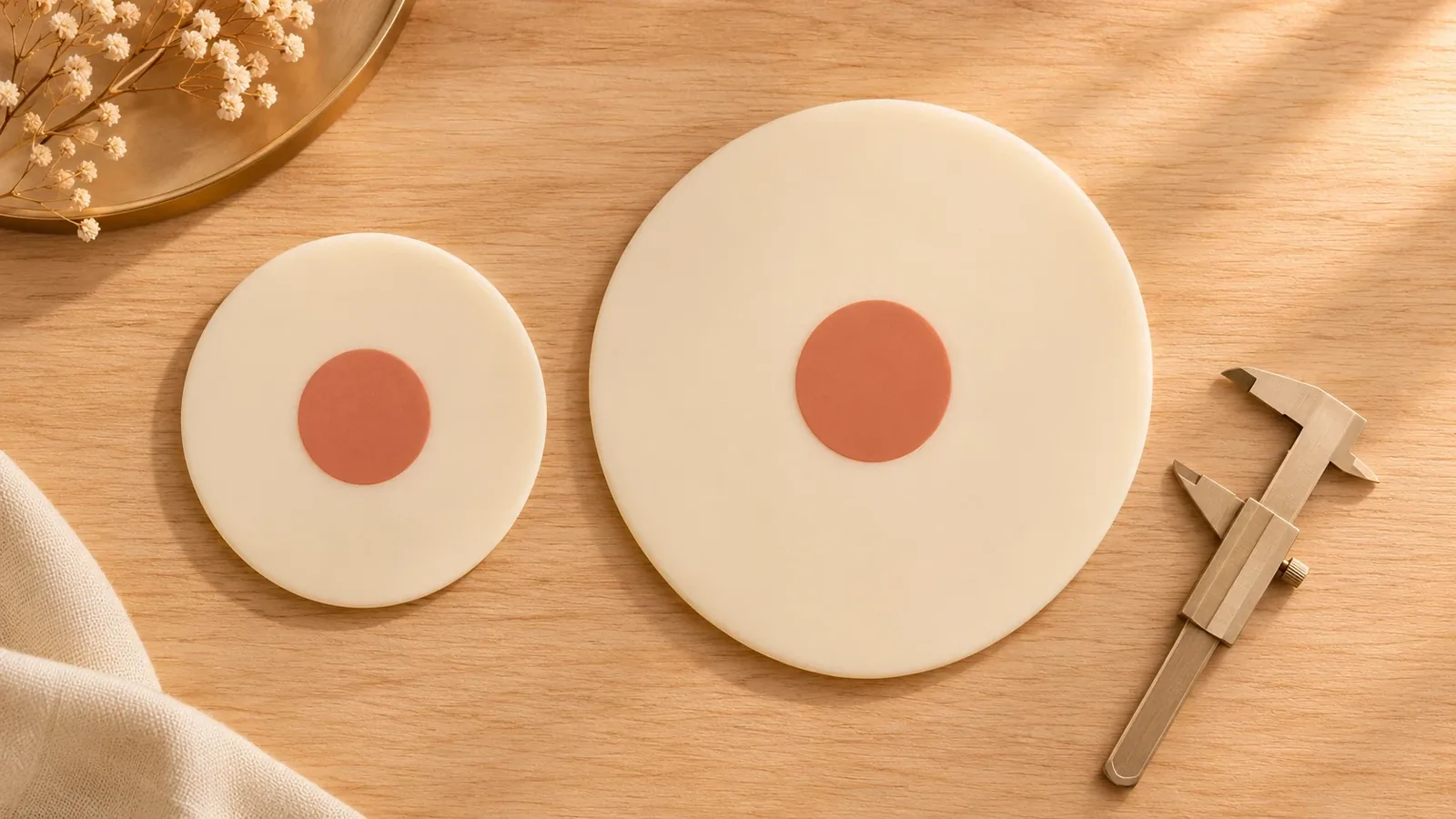
If you are curious about the relative proportion of breast size and areola, also check the existing Areola size consultation guide. In this consultation, you can ask specifically about the range and suturing used to achieve the proportion you have decided on.
Scarring and the possibility of re-widening are explained before surgery
The color difference at the areola border makes the incision line relatively less noticeable, but a scar may remain. Depending on constitution, excision width and tension, the suture line may widen or become red and thick, so the location and care plan are checked in advance.
Over time, the areola may widen again or become oval, and the thread used for suturing may be felt or show through. Pregnancy, breastfeeding and weight changes can also affect the later shape, so if you have planned changes, discuss them together with the timing of surgery.
Bleeding, infection, opening of the suture site, changes in sensation, left-right asymmetry and irregular color at the border may occur. We also explain the rare possibility of tissue damage due to reduced blood flow. Depending on the result and course, additional care or revision surgery may be needed.
Standalone reduction and combined surgery such as a lift may differ in how much of the milk ducts and surrounding tissue are handled. Check the effect on breastfeeding function and sensory changes according to your own plan, and do not assume that breastfeeding will definitely not be affected.
Recovery is checked by activity and based on the condition of the wound
On the day of surgery, you go home with a dressing applied, and you are advised to avoid pressure on the breasts and large arm-raising movements. The overall process may vary depending on combined surgery or the anesthesia method, so also check your plans for going home and getting help.
Swelling, bruising and a pulling sensation may appear in the early period. Follow the guidelines for prescribed medication and dressing care, and showering and the range of activity are adjusted after the wound condition is checked at visits. General guidance on returning to daily life does not mean that exercise and wound recovery are complete.
For stitch removal, the usual guidance of about 10~14 days is used as a reference, but it is decided according to the actual condition. The timing of comfortable low-friction underwear, scar care and resuming strenuous exercise is also checked according to your progress. Red suture lines and changes in shape are reviewed together at later visits.
If there are concerning changes, such as pain or swelling that persists differently from what you expected or a wound that opens, contact the clinic rather than waiting for your scheduled date. Ask whether the condition needs to be evaluated in person, and do not massage vigorously or change the treatment on your own.

Decisions and questions to check at the consultation
Ask for each of the target diameter, excision width, incision location and whether combined surgery is involved to be explained. Before surgery, tell us about previous breast surgery and suturing problems, medications you take and allergies, and pregnancy and breastfeeding plans. Costs are provided after an examination, depending on the range.
- Is my concern something that can be handled with standalone reduction?
- How do you consider tension and the possibility of re-widening in my skin?
- Where is the expected scar location, and how is it managed?
- What condition do you look at to decide on stitch removal and return to exercise?
- What precautions apply to me regarding sensation or breastfeeding function?
The official video below covers consultation topics for when you are considering breast surgery. Check the range of your own areola reduction surgery and recovery plan separately at the examination.
Frequently asked questions
How small is the areola reduced?
A fixed measurement is not applied to everyone. The target is set by looking at breast width and volume and nipple position, while also taking the excision width and suture tension into account.
Won't it widen again with a purse-string suture?
It is a method considered to distribute tension. Depending on skin elasticity and later changes, the areola may widen again, so you need to confirm your own range and limits.
Where will the scar be?
In general, a circular incision line is planned along the border between the areola and the skin. Depending on combined surgery, additional incisions may be needed, and the width and color change of the scar vary from person to person.
Can it be done together with a breast lift?
This is decided after an examination to see whether sagging and an enlarged areola are present together. If done together, the range and incisions are planned based on the final breast shape and nipple position.
Can I exercise after the stitches are removed?
Stitch removal and returning to exercise are not based on the same criteria. After checking the wound, tension and progress of any combined surgery, ask for guidance on when to start each activity.
Should I mention my breastfeeding plans in advance?
Yes. Please tell us about pregnancy and breastfeeding plans and any previous surgery. Depending on whether it is standalone or combined surgery, the extent of tissue handling and the consultation about function may differ.
Discuss form and function together with Dr. Juyoung Go
At Atelier Plastic Surgery Clinic, board-certified plastic surgeon Dr. Juyoung Go conducts breast and body consultations. We are located at 1F, 89 Donggwang-ro, Seocho-gu, Seoul, and the phone number is 02-533-1888.
Please prepare a summary of your previous breast surgery records, pregnancy and breastfeeding plans, and the shape you want to change. Whether the clinic sees patients on Thursday may differ in weeks with a public holiday, so confirm the schedule when booking.
Request an areola reduction consultation